
Monosodium Glutamate 25KG Import - meridianpkfood
- Home
- Monosodium Glutamate 25KG Import
- uzmanulhasan
- September 18, 2026
- 0 Comments
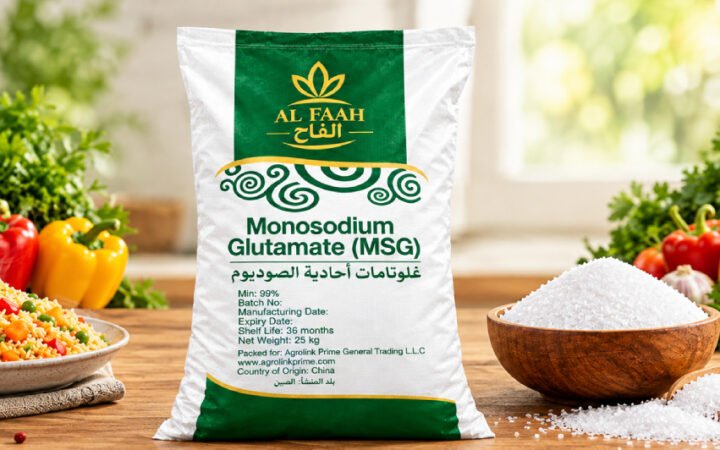
Monosodium Glutamate, commonly known as MSG, is a widely used food ingredient valued for its ability to enhance savory and umami flavors. It is used across many areas of the food industry, including restaurants, seasoning manufacturers, snack producers, instant food manufacturers, catering businesses, food processors, wholesalers, and commercial kitchens.
For businesses that consume MSG regularly, purchasing it in a 25KG package can provide a practical solution for maintaining a consistent supply. A Monosodium Glutamate 25KG import is particularly relevant for companies that require larger quantities for production, distribution, or commercial food preparation.
However, importing a food ingredient involves more than simply purchasing a large quantity. Buyers should consider product quality, food-grade specifications, packaging, storage conditions, documentation, supplier reliability, transportation, and the regulations applicable to the destination market.
This guide explains the important aspects of Monosodium Glutamate 25KG import and provides useful information for businesses looking to source MSG in bulk.
What Is Monosodium Glutamate?
Monosodium Glutamate is the sodium salt of glutamic acid and is commonly identified by the abbreviation MSG. It is used as a flavor enhancer to bring out and balance savory characteristics in food.
MSG is associated with the umami taste, one of the basic taste sensations. It can help make savory foods taste fuller and more rounded when used appropriately as part of a food formulation.
Modern MSG production commonly involves fermentation of carbohydrate sources followed by purification and crystallization. The resulting product is processed into crystals that can be used as a food ingredient or incorporated into seasoning blends and other commercial food products.
For commercial buyers, understanding the nature and intended application of MSG is important when selecting a supplier. A business should ensure that the product is suitable for its specific food application and meets the quality requirements established by the buyer and applicable regulations.
Why Import Monosodium Glutamate in 25KG Packaging?
A 25KG package is a commonly practical bulk quantity for food businesses that require MSG on a regular basis. Compared with purchasing small consumer-size packs, larger packaging can simplify inventory management and reduce the frequency of replenishment.
Restaurants and foodservice businesses can use bulk MSG for sauces, soups, marinades, seasoning mixes, prepared foods, and other savory recipes. Food manufacturers may use larger quantities as part of their production processes, while wholesalers can purchase 25KG bags for distribution to smaller commercial customers.
Bulk purchasing may also make it easier for businesses to establish a consistent procurement routine. Instead of ordering small quantities repeatedly, a company can plan its requirements around production volumes, expected consumption, storage capacity, and delivery schedules.
Common Applications of MSG
Monosodium Glutamate has applications across a broad range of savory food products. Its primary purpose is flavor enhancement, making it useful in formulations where a stronger or more balanced savory profile is desired.
Seasoning Blends
MSG is frequently incorporated into seasoning blends used for snacks, meat products, noodles, soups, sauces, and prepared foods. It can be combined with salt, spices, herbs, and other ingredients to develop a consistent flavor profile.
Instant Noodles and Convenience Foods
Instant noodles and other convenience foods commonly use flavoring systems designed to deliver a recognizable savory taste. MSG may be included as part of these seasoning systems depending on the product formulation and applicable food regulations.
Snacks
Snack manufacturers may use MSG in savory products such as flavored chips, crackers, extruded snacks, and other seasoned foods. When used appropriately, it can complement spices and other flavoring ingredients.
Soups and Sauces
MSG can be used in soups, gravies, sauces, broths, and seasoning bases where manufacturers want to enhance savory flavor. It can be particularly useful in commercial food production because standardized ingredients help maintain consistency between production batches.
Restaurants and Catering
Restaurants, catering companies, hotels, and commercial kitchens may purchase MSG in bulk when it forms part of their regular food preparation process. A 25KG package can be suitable for businesses with higher consumption and adequate storage facilities.
Key Considerations When Choosing Monosodium Glutamate for Import
Choosing the right MSG supplier is an important part of the importing process. Price is one consideration, but businesses should also examine quality, consistency, documentation, packaging, delivery arrangements, and supplier reliability.
Food-Grade Quality
Businesses purchasing MSG for food production should confirm that the product is intended for food use and meets the required specifications. Food-grade ingredients should be sourced from suppliers who can provide appropriate product information and supporting documentation.
Product Specifications
Buyers should review the technical specifications of the MSG being offered. Depending on the intended application, important specifications may include purity, appearance, crystal characteristics, moisture content, and other quality parameters.
Specifications should be evaluated against the requirements of the final food product and the regulations applicable in the importing market.
Packaging
Packaging plays an important role in protecting MSG during transportation and storage. A 25KG package should be appropriately sealed and suitable for food ingredients. The packaging should help protect the product from moisture, contamination, and damage during handling.
Buyers should also check labeling information, batch identification, net weight, manufacturing information, expiry or best-before information where applicable, and any other details required by the destination market.
Certificate of Analysis
A Certificate of Analysis, commonly called a COA, can provide useful information about a particular batch of product. Depending on the supplier and market requirements, a COA may include test results for relevant quality and specification parameters.
Commercial buyers should determine which documents are required for their particular import transaction and ensure that documentation corresponds to the actual product and batch being shipped.
Understanding the Import Process for MSG
The exact process for importing Monosodium Glutamate depends on the exporting country, destination country, shipment method, importer requirements, and applicable food regulations. Businesses should confirm requirements with the relevant customs, food safety, and regulatory authorities before arranging commercial shipments.
A typical bulk ingredient procurement process begins with identifying a suitable supplier and confirming the required product specifications. The buyer can then request pricing, packaging details, minimum order quantities, available documentation, production information, and estimated delivery arrangements.
Once the product and commercial terms are confirmed, the buyer and supplier can arrange the necessary shipping and trade documentation. Depending on the transaction, documentation may include a commercial invoice, packing list, certificate of origin, product specifications, certificate of analysis, shipping documents, and other certificates required by the destination market.
Importers should not assume that the requirements of one country apply universally. Food additive regulations, labeling requirements, customs procedures, product registration requirements, and documentation can differ significantly between markets.
Food Safety and Regulatory Compliance
Food additives are subject to regulatory requirements in many markets. Monosodium L-glutamate is recognized internationally as a food additive and is identified as INS 621 in the Codex General Standard for Food Additives.
However, permitted uses, maximum levels, labeling requirements, and import procedures can depend on the specific food category and jurisdiction. Businesses should therefore verify the current requirements that apply to their products and destination market before importing MSG.
Regulatory compliance should be considered from the beginning of the procurement process rather than after the shipment has already been arranged. This approach can help businesses reduce the risk of documentation problems, customs delays, or issues related to product acceptance.
How to Store Monosodium Glutamate 25KG
Proper storage is important for maintaining the quality of bulk MSG. The product should generally be kept in a clean, dry, and suitable storage environment and protected from moisture and contamination.
Because MSG is supplied in crystalline form, exposure to moisture can affect its physical condition and may cause clumping. Keeping bags properly sealed and storing them away from excessive humidity can help preserve product quality.
Storage areas should also be clean and organized. Bulk food ingredients should be kept away from chemicals, strong odors, waste materials, and other potential sources of contamination.
Businesses should follow the storage instructions provided by the product manufacturer or supplier and apply appropriate stock rotation practices. Using older stock first, where appropriate, can help businesses maintain an organized inventory.
Benefits of Buying MSG in Bulk
Consistent Supply
Businesses with regular MSG consumption can benefit from maintaining an adequate stock of the ingredient. A 25KG package provides a larger supply than retail-size packaging and can support routine commercial production.
Convenient Inventory Management
Bulk packaging can simplify purchasing and inventory planning for businesses that use MSG frequently. Procurement teams can estimate consumption and schedule replenishment according to production requirements.
Suitable for Commercial Production
Food manufacturers, seasoning producers, restaurants, caterers, and wholesalers often require ingredients in quantities that are significantly larger than household requirements. A 25KG MSG package is designed around commercial rather than occasional consumption.
Better Procurement Planning
Regular bulk procurement allows businesses to plan ingredient requirements around production schedules. This can help purchasing teams coordinate orders, warehouse capacity, transportation, and expected demand.
Who Can Purchase Monosodium Glutamate 25KG?
Monosodium Glutamate 25KG packaging can be relevant to many types of commercial buyers. Food manufacturers may use MSG in recipes and seasoning systems, while wholesalers can distribute it to restaurants and other businesses.
Restaurants and catering companies can purchase bulk MSG for regular kitchen operations. Snack manufacturers, sauce producers, ready-meal manufacturers, seasoning companies, and foodservice suppliers may also have ongoing requirements for MSG.
The appropriate quantity depends on the buyer’s consumption rate, production volume, available storage space, and procurement strategy. Businesses should select package sizes according to actual operational requirements rather than purchasing quantities that cannot be stored or used efficiently.
What Should Buyers Ask an MSG Supplier?
Before placing a bulk order, buyers should collect enough information to make an informed purchasing decision. Asking clear questions can help ensure that the product matches the intended application and import requirements.
Important questions may include whether the product is food grade, what specifications apply to the product, what packaging sizes are available, whether a Certificate of Analysis can be provided, what the minimum order quantity is, and what documentation accompanies the shipment.
Buyers may also want to confirm the production country, available batch information, shelf-life details, storage recommendations, shipping options, lead time, and commercial terms.
For international purchases, it is also important to clarify responsibilities for transportation, customs clearance, insurance, duties, taxes, and other import-related costs. The exact responsibilities depend on the agreed commercial terms and destination.
Quality Control When Importing MSG
Quality control is particularly important when purchasing food ingredients in commercial quantities. A business should establish clear product specifications before placing an order and communicate those requirements to the supplier.
Documentation should be checked against the purchased product, including batch information where applicable. Businesses with formal quality management systems may also establish procedures for receiving, sampling, inspecting, and approving incoming food ingredients.
Where laboratory testing is required by the buyer or applicable regulations, appropriate samples can be evaluated according to the relevant specifications. A consistent quality-control process can help manufacturers maintain uniformity across production batches.
Choosing a Reliable Monosodium Glutamate Supplier
A reliable supplier should be able to communicate clearly about product specifications, packaging, availability, documentation, and delivery arrangements. For importers, supplier communication is especially important because international transactions involve multiple stages between purchase and final delivery.
Businesses should look for suppliers that understand commercial food ingredient requirements and can provide appropriate product information. Transparency about specifications, documentation, packaging, lead times, and shipping arrangements can make procurement easier to manage.
It is also useful to consider whether the supplier can support recurring orders. A business that uses MSG throughout the year may benefit from working with a supplier capable of handling regular commercial requirements rather than relying solely on one-time transactions.
Monosodium Glutamate Import for Food Manufacturing
For food manufacturers, MSG procurement should be connected to production planning. The amount required can vary depending on product formulation, production volume, recipe specifications, and the role of MSG within the final product.
Manufacturers should establish a defined raw-material specification and ensure that incoming MSG conforms to the requirements of their production process. Consistency is important because changes in ingredient characteristics can affect manufacturing and final product performance.
Procurement teams should also consider forecasted demand and warehouse capacity. Ordering too little can create supply interruptions, while ordering excessive quantities can create unnecessary inventory and storage challenges.
Monosodium Glutamate for Wholesalers and Distributors
Wholesalers and distributors can purchase 25KG MSG packages for supply to restaurants, food manufacturers, catering businesses, retailers, and other commercial customers.
For distributors, packaging condition and product documentation are especially important because the ingredient may pass through several stages of the supply chain before reaching the final user. Proper storage and handling can help maintain product quality during warehousing and transportation.
Distributors should also maintain accurate inventory records, including product batches and relevant dates, to support efficient stock management and customer service.
MSG Import: Price vs. Total Procurement Cost
When evaluating a Monosodium Glutamate 25KG import, buyers should look beyond the quoted product price. The total procurement cost can include packaging, freight, insurance, customs duties, taxes, clearance charges, warehousing, local transportation, and other applicable expenses.
International buyers should request a clear quotation that explains the commercial terms and identifies which costs are included. Comparing quotations on the basis of total landed cost can provide a more useful picture than comparing product prices alone.
Exchange-rate changes, shipping conditions, order quantities, destination, and commercial terms can also affect the final cost of an imported food ingredient. Buyers should therefore confirm current pricing and shipping terms directly with the supplier before placing an order.
Why Proper Packaging Matters During International Shipping
International shipments may be exposed to extended transportation periods, multiple handling points, changes in temperature, and varying environmental conditions. Appropriate packaging helps protect the product throughout the supply chain.
For 25KG MSG shipments, packaging should be suitable for bulk food ingredients and capable of maintaining product integrity during transportation and storage. The packaging should also provide appropriate identification and product information according to the requirements of the supplier and destination market.
Importers should inspect shipments when received and follow their internal procedures for checking packaging condition, quantity, batch information, and other relevant details.
Monosodium Glutamate 25KG Import for the Pakistan Food Market
Businesses sourcing food ingredients for Pakistan should consider the requirements applicable to imported food products and additives. Importers should verify the current customs, food safety, labeling, documentation, and regulatory requirements that apply to their specific product and intended use.
Working with an experienced food trading or importing partner can help businesses organize product sourcing, documentation, shipping coordination, and commercial supply requirements. The right procurement approach depends on the buyer’s volume, destination, application, and regulatory obligations.
Meridian Foods is focused on food products and international food trade, providing a platform for businesses looking for dependable food sourcing solutions. Companies interested in bulk food ingredients should discuss their specific requirements with the supplier to confirm product availability, specifications, packaging, and commercial terms.
Frequently Asked Questions About Monosodium Glutamate 25KG Import
What is Monosodium Glutamate 25KG?
Monosodium Glutamate 25KG refers to MSG supplied in a 25-kilogram commercial package. It is commonly used by food manufacturers, restaurants, catering businesses, wholesalers, seasoning producers, and other commercial food operations.
What is MSG used for?
MSG is primarily used as a flavor enhancer in savory foods. It may be incorporated into seasoning blends, soups, sauces, noodles, snacks, prepared foods, meat products, and other food applications depending on the formulation and applicable regulations.
Is MSG a food additive?
Yes. Monosodium L-glutamate is recognized as a food additive and is identified as INS 621 in the Codex General Standard for Food Additives. Its permitted applications and conditions of use depend on the relevant food category and local regulations.
Why is 25KG packaging useful for businesses?
Twenty-five-kilogram packaging is suitable for businesses that use MSG regularly and require larger quantities than consumer-size packages. It can support commercial production and simplify inventory planning for high-consumption operations.
How should 25KG MSG be stored?
MSG should be stored according to the supplier’s recommendations, generally in a clean, dry environment and protected from moisture and contamination. Keeping packaging properly sealed can help preserve the physical quality of the product.
What documents may be required for MSG import?
Documentation varies according to the destination country and transaction. Depending on the shipment, buyers may need commercial invoices, packing lists, certificates of origin, product specifications, Certificates of Analysis, shipping documents, and other regulatory or customs documentation.
How can I choose an MSG supplier?
Consider the supplier’s product specifications, food-grade status, documentation, packaging, quality-control practices, availability, lead times, shipping capabilities, and ability to support your required order volume. For recurring purchases, supplier consistency and communication are also important considerations.
Conclusion
Monosodium Glutamate 25KG import can be a practical sourcing option for businesses that regularly use MSG in food manufacturing, seasoning production, restaurants, catering, foodservice, and wholesale distribution. Bulk packaging provides a convenient way to manage larger ingredient requirements while supporting organized procurement and inventory planning.
Successful MSG importing requires more than selecting a product and arranging transportation. Buyers should consider food-grade quality, specifications, packaging, documentation, storage, regulatory compliance, shipping arrangements, and total procurement costs.
Whether you are a food manufacturer, restaurant supplier, wholesaler, seasoning producer, or commercial kitchen, selecting a dependable source and clearly defining your requirements can help create a more consistent supply process. For businesses looking for Monosodium Glutamate 25KG import solutions, discussing product specifications, quantities, documentation, and delivery requirements with an experienced food supplier is an important first step.

Leave A Comment